
Interactive Whiteboards for SMEs: A Comprehensive Guide to Choosing the Right Fit
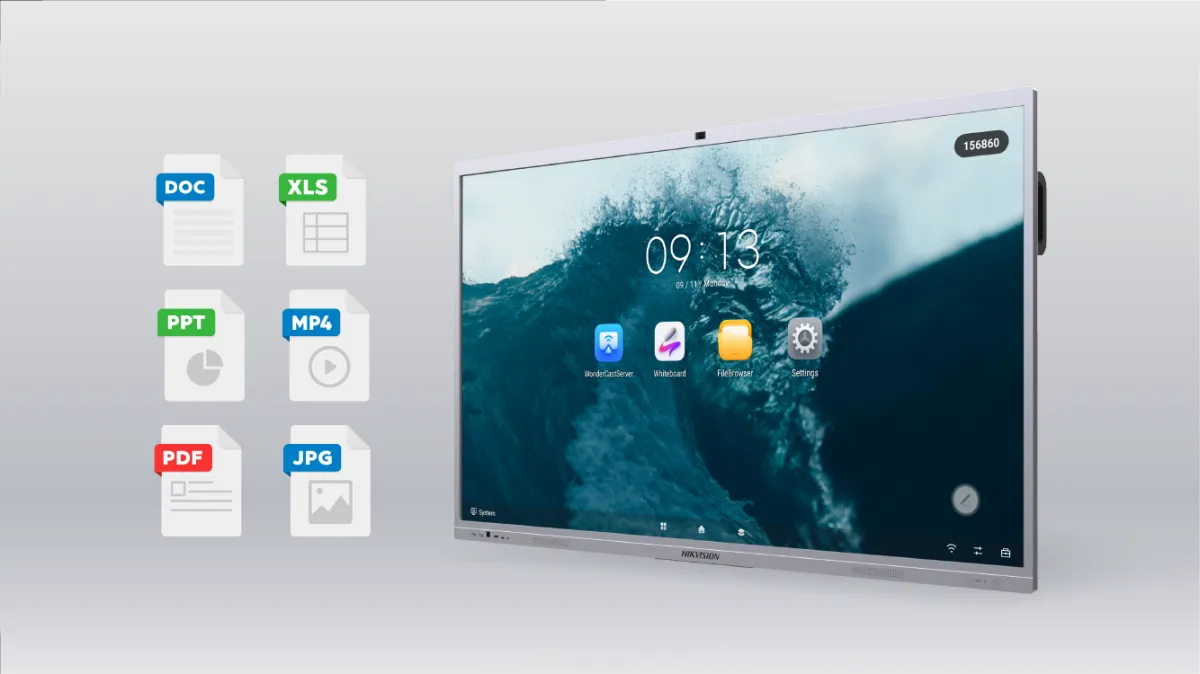
In today’s dynamic business landscape, fostering collaboration, innovation, and impactful communication are the cornerstones of success. For small and medium businesses (SMEs), maximizing efficiency and productivity becomes even more crucial. Interactive whiteboards (IWBs) emerge as powerful tools, transforming traditional meetings, brainstorming sessions, and presentations into engaging, interactive experiences.
Demystifying Interactive Whiteboards: A Gateway to Enhanced Collaboration
Interactive whiteboards transcend the limitations of their static counterparts. They offer a vibrant and interactive canvas, unlocking a multitude of benefits for SMEs:
- Empowering Collaboration: Interactive whiteboards eliminate the physical barrier, allowing teams to co-create and brainstorm simultaneously.
- Transforming Presentations: Gone are the days of monotonous slideshows. Interactive whiteboards allow you to embed multimedia content like videos and images.
- Boosting Efficiency: Ditch the paper and markers! Interactive whiteboards streamline workflows by eliminating the need for printing handouts and endless note-taking.
- Bridging the Distance: Real-time screen sharing and annotation tools bridge the physical gap, fostering a sense of connection and productivity.
- Sparking Innovation: Utilize mind maps, digital sticky notes, and collaborative drawing tools to spark new ideas and encourage outside-the-box thinking.
Navigating the Maze: Key Considerations for Choosing the Right Interactive Whiteboard
Interactive whiteboards come in various forms, each with its unique set of features. Here are some crucial factors to consider:
1. Touch Technology: Unveiling the Core of Interaction
- Infrared (IR) Technology: Typically the most affordable option but may have limitations in multi-touch capabilities.
- Projected Capacitive (PCap) Technology: Offers a more responsive and accurate touch experience.
- Laser Technology: Uses lasers to detect touch, offering the highest level of accuracy and responsiveness.
- Zero Bonding Technology: Eliminates the air gap between the LCD panel and the touch layer, resulting in a more natural writing experience.
2. Size and Resolution
Consider the size of your meeting room and the typical number of participants. A larger board allows for comfortable viewing from various distances. Resolution plays a crucial role – a higher resolution ensures a clear and crisp display.
3. Connectivity and Software
Ensure the interactive whiteboard seamlessly integrates with your existing devices via HDMI, USB, and Wi-Fi. Look for built-in software or compatibility with platforms that offer annotation tools and cloud storage capabilities.
Contact us
We provide innovative hardware, software, and technology solutions backed by outstanding service.